Tower mounted amplifiers have now become a common addition to most macro base station systems. They increase overall system performance and are now easily mounted and monitored. Tower mounted amplifiers can provide significant BTS performance improvement for a moderate investment. Lance Wilson, research director, mobile networks, notes, “The use of tower mounted amplifiers in wireless infrastructure base station systems represents one of the most cost effective ways of improving overall system performance.”


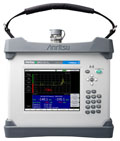 Anritsu Co. introduces three frequency options for its industry-leading PIM Master MW82119A Passive Intermodulation (PIM) high-power, battery-operated, portable PIM test analyzer. The new options provide wireless field engineers and technicians with the first battery-operated handheld analyzers that can accurately conduct “top of the tower” PIM measurements in the LTE 800 MHz and UMTS 2100 MHz bands, in addition to the LTE 2600 MHz band.
 Sierra Nevada Corp. (SNC) delivered the first low rate initial production (LRIP) Mobile Tower System (MOTS) to the United States Army ahead of schedule. The LRIP contract was awarded in March 2012 for 10 MOTS.
 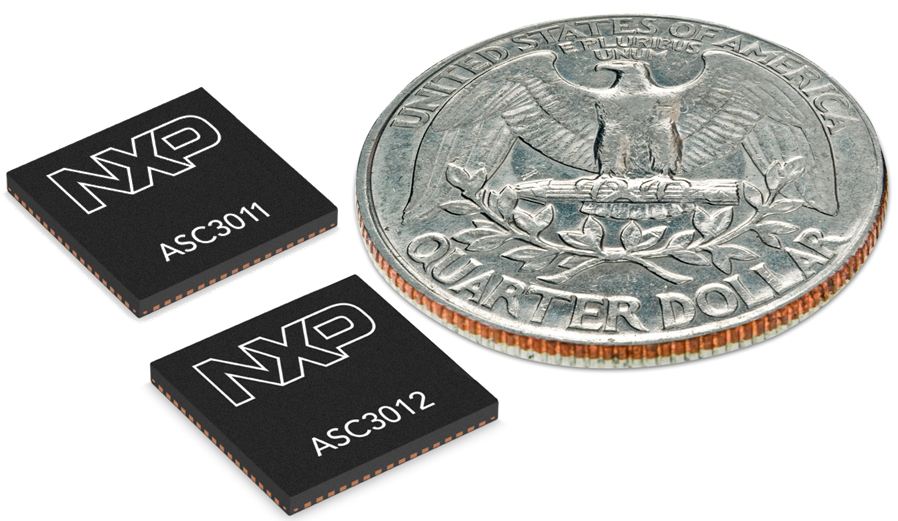 NXP Semiconductors N.V. introduced a groundbreaking family of programmable AISG transceivers for wireless base stations and antenna line devices (ALDs) such as tower-mounted amplifiers (TMAs) and remote electric tilt (RET) antennas.