


This is the first part of a two-part article on spectrum supportability for software-defined radios (SDRs). Part one serves as an introduction to U.S. federal systems using the new U.S. Department of the Navy (DON) Amphibious Tactical Communications Systems (ATCS) SDR as a surrogate for federal communication systems. The ATCS is currently being installed to provide a critical high-capacity terrestrial, ship-to-ship and ship-to-shore tactical radio relay communications system between expeditionary strike groups (ESG) afloat and U.S. Marine Corps (USMC) units ashore. The ATCS is a good example of multi-band multi-channel secure SDRs operating in congested and contested electromagnetic spectrum environments (EMEs).
Part two is a more technical discussion on the flexibility of SDRs opening the aperture. It will look beyond U.S. federal and Department of Defense (DOD) systems into commercial applications. It will focus on international spectrum supportability for SDRs and the need for these systems to operate internationally in countries with very different spectrum usage rights.
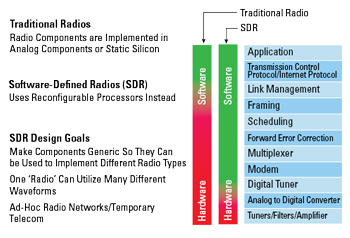
Figure 1 Comparison of traditional radios with SDR systems.
At their most basic level, SDRs are radio communications systems where the traditional hardware functions and elements (filtering, modulation and demodulation) are performed by software instead of hardwired components. This approach allows for greater flexibility by enabling the radio to adapt to different communications protocols, frequencies (within reason) and modulation types without significant hardware changes. A comparison of SDRs and traditional radios is shown in Figure 1.
Spectrum supportability is a critical feature for a system to be used internationally. Spectrum supportability assesses whether the electromagnetic spectrum is available to support equipment operation or systems dependent on it. Completing a supportability assessment early in the design process will enable an SDR to operate in multiple countries that use different frequency tables. As part of the supportability assessment, SDR designers need to consider:
Spectrum Certification: The equipment must be certified by the appropriate agency.
Frequency Allocations: There are different tables of frequency allocations across the countries in the nations where the radio system will be used.
Frequency Availability: Even though a specific frequency band has been allocated for radio system use, there also needs to be reasonable assurance that there are enough available frequencies for the system to operate.
Future Spectrum Planning: This typically includes spectrum harmonization1 across countries, identification of new spectrum bands for future technologies, collaborative long-term planning, prioritizing specific spectrum allocations and facilitating spectrum sharing.
Electromagnetic Compatibility (EMC): The system needs to be able to operate acceptably in the presence of other electrical and electronic equipment and not adversely interfere with that other equipment.2
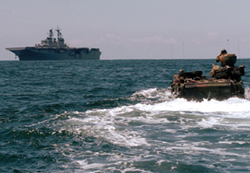
Figure 2 USN amphibious ship. Source: Department of the Navy.

Figure 3 ATCS rack. Source: Department of the Navy.
Both commercial and federal systems in the U.S. must go through spectrum supportability assessments before being certified for use. Looking at federal systems and using the U.S. Navy’s (USN) ATCS SDR, which is currently being installed in the fleet, as an example system, this article will show that being able to operate globally is important both for the U.S. military and commercial systems and it can be accomplished through the use of system engineering at the beginning of the design process. Without doing a spectrum supportability assessment, bringing an SDR to an area where the frequency assignments do not support the capability of the equipment may get the same type of reception that Ilsa got when she walked into Rick’s in the movie Casablanca: “Of all the gin joints in all the towns in all the world, she walks into mine.” And that is to say, not a good reception. Figure 2 shows an example of a USN amphibious ship.
WHAT IS ATCS
The mission and the problems that the ATCS SDR solves using spectrum supportability enable the DON to conduct global operations. The ATCS provides a critical, reliable, secure, high-capacity terrestrial, ship-to-ship and ship-to-shore voice, data and video tactical radio relay (TRR) communications system between the ESGs afloat and the USMC units ashore. Ship-to-shore communications have traditionally been more technically challenging than shore-to-shore radio relays because the ship is always moving. ATCS and its predecessor system overcame this challenge through a variety of technical methods to provide the initial communications link to forward-deployed Marines.
Spectrum supportability decisions are crucial for the DON, the DOD3 and the other federal government agencies to ensure their systems and equipment can operate efficiently in their electromagnetic spectrum allocations. These supportability decisions combine operational needs with current spectrum availability and seek to minimize system interference. They ensure a system can run without breaching spectrum management policies or harmfully interfering with other spectrum users. To accomplish this complex assessment, numerous elements must be carefully analyzed. Spectrum supportability assessments also consider operational impacts, examining if spectrum constraints could impede system functionality and therefore mission completeness. In an unabashed reference to “The Princess Bride,”4 a spectrum supportability assessment done right is like a nice mutton, lettuce and tomato sandwich, when the mutton is nice and lean and the tomato is ripe. Tactical systems like the ATCS are flexible with their spectrum access and need multi-band, multi-channel capabilities to operate in dynamic and congested spectrum settings. Coalition and multinational operations require systems to be interoperable with partner nations’ technology and comply with international spectrum standards.